Articles

Acne and Stress: How They’re Connected (And What You Can Do About It)
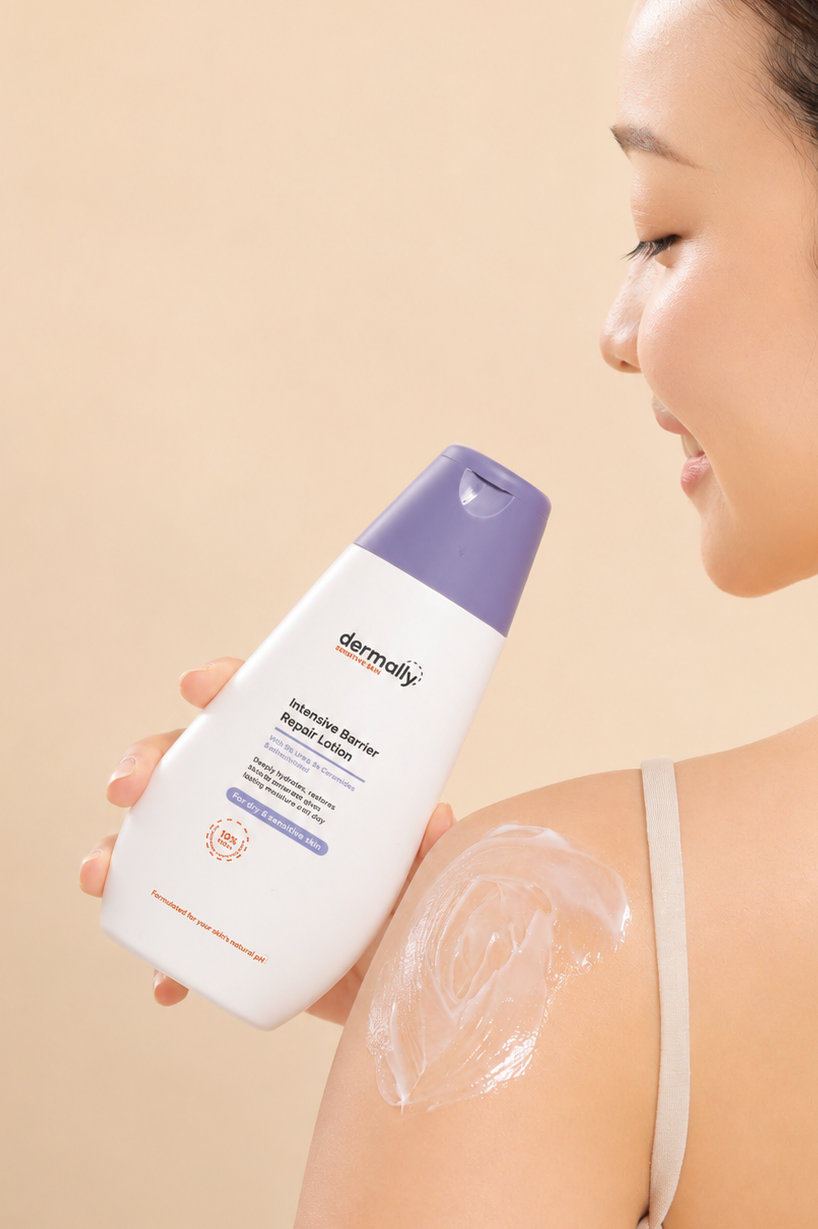
Acne and Stress: A Vicious Cycle Ever noticed your skin breaking out right before a big exam, work deadline, or after days of poor sleep? You’re not imagining it. Stress doesn't just take a toll on your mental health, it can show up on your skin too. We believe that acne isn't merely a pore issue, they’re often a reflection of what’s going on inside. Let’s break down how stress affects your skin and what you can do to calm both your skin and your system. How Stress Triggers Acne When stress hits, your body activates its fight-or-flight mode, flooding your system with cortisol. This surge doesn’t just affect your mood, it can also trigger inflammation, disrupting your skin’s natural balance. This increase in cortisol can: Boost oil (sebum) productionMore oil = higher chances of clogged pores = more breakouts. Weaken skin barrier functionWhen your skin barrier is compromised, it becomes more reactive, inflamed, and prone to irritation or acne flare-ups. Inflamed acneStress doesn’t just cause new pimples, it can also worsen the ones you already have. Disrupt gut-skin connectionChronic stress can mess with your digestion and gut health, which has a knock-on effect on skin clarity. Breaking the Cycle: How to Manage Acne Linked to Stress 1. Cleanse With Care Start with a gentle, acne-focused cleanser that doesn’t strip your skin. Formulated with calming ingredients and acne-fighting actives, it helps cleanse away excess oil and impurities without irritating sensitive or acne-prone skin. It’s also safe for both face and body, perfect for chest and back breakouts. Try: Dermally Acne Face & Body Wash 2. Strengthen Your Skin Barrier Your skin's natural defenses work most effectively when its protective barrier is strong and intact. When your skin feels dry, sensitive, or irritated from stress or treatments, this non-comedogenic lotion helps soothe, protect, and lock in hydration. Try: Dermally Intensive Barrier Lotion 3. Practice De-Stressing Habits: Get 7 to 9 hours of sleep Take short breaks during work Try journaling, deep breathing, or stretching Reduce screen time whenever you can Don’t skip meals (blood sugar spikes can also impact breakouts) 4. Be Gentle With Yourself When you're already feeling overwhelmed, it's easy to fixate on every new blemish or imperfection in the mirror. Acne might make you feel frustrated or insecure in the moment, but this temporary condition says nothing about who you are as a person and your worth. Breakouts are common, temporary, and often out of your control, especially when stress and hormones are involved. Healing takes time, and progress isn’t always linear. Your skin thrives on kindness, not punishment. Treat it with hydration, proper rest, and the space to recover with patience. Most importantly, be kind to yourself, you’re doing the best you can, and your skin is trying too. Final Thoughts:Healing Goes Beyond Skin Deep Stress-related acne is more than just a surface concern, it’s a sign of your body asking for balance. While the right skincare routine can help soothe breakouts, true healing starts from within. Small, mindful changes such as prioritizing sleep, staying hydrated, and carving out moments to breathe can make a profound difference. Gentle reminder that your skin isn’t the enemy, it’s a reflection of your overall well-being. Treat it with patience, nourish it with care, and trust that resilience grows from kindness, both to your skin and yourself.
Learn more
Caring for Your Intimate Area Starts with the Right pH: Here’s Why pH 3.8 Matters
Your intimate area is one of the most delicate parts of your body and it deserves care that’s just as thoughtful as the products you use on your face or hair. While many women focus on general hygiene, fewer know that your external intimate area (the vulva) needs gentle, pH 3.8 care to stay healthy and comfortable. The key? A feminine wash that is formulated at pH 3.8 to work with your body, not against it. 🌸 What Is the Intimate Area and Why Is It Different? Let’s be clear: when we say intimate area, we’re referring to the vulva which is the external skin around the vaginal opening. This area: Contains delicate skin and mucosal tissue Is home to beneficial bacteria (Lactobacillus) Can be sensitive to harsh cleansers or products Because the vulva is exposed to sweat, discharge, menstruation, and tight clothing, it’s important to cleanse it regularly BUT with the right kind of product. ⚖️ Why pH 3.8 Matters for External Intimate Care Your skin’s pH is usually around 5.5, but the intimate area has a more acidic pH, typically between 3.5 and 4.5. This lower pH helps: Maintain the balance of good bacteria Prevent irritation, odor, and infection Keep the external skin barrier strong and moisturized Maintaining the correct external pH of 3.8 helps to protect the natural defence barrier and promote everyday freshness. What Happens When the pH is Disrupted? Using regular soap or body wash that ranges from pH of 8 to 10 can upset this delicate balance. This disruption can lead to: Vaginal dryness Itching or irritation Unpleasant odor Increased risk of infections like bacterial vaginosis or yeast infections Try: Dermally IntimCare Foam Wash pH 3.8 Gently cleanse the feminine intimate area with Glycogen & Lactic Acid to support lactobacillus growth which helps to preserve its natural balance and overall comfort.
Learn more
Best Ways to Keep Your Intimate Area Fresh and Odour-Free Daily
Post-exercise perspiration and menstrual flow can alter the natural pH of the vulva, potentially leading to unwanted odour or discomfort. Here are easy daily tips to keep your intimate area clean and fresh without overdoing it. 1. Keep Your Intimate Area Clean and Dry Maintaining dryness and cleanliness in the vulva area helps reduce the risk of irritation, bacterial overgrowth, and unwanted odour. Gently pat dry after cleansing and avoid rubbing or using harsh towel 2. Choose breathable, loose bottoms Sweat, moisture, and tight-fitting underwear can trap heat and bacteria that leads to unpleasant odour or irritation. It is recommended to choose breathable cotton underwear and to avoid wearing damp gym clothes for long hours 3. Skip douching More isn’t always better. Douching or scrubbing the intimate area can remove good bacteria and trigger imbalance which can cause irritation and disrupt the natural flora. 4. Look for Ingredients That Work with Your Body The right formulation makes a difference. Feminine washes with lactic acid and glycogen can help maintain a healthy environment in the intimate area. Lactic Acid helps maintain the acidic pH and supports the presence of good bacteria that keep odour in check. Glycogen is a natural energy source for beneficial lactobacilli, promoting their growth and helping reinforce the microbiome. Together, these ingredients help maintain freshness, comfort, and long-term intimate health. Try Dermally IntimCare Foam Wash pH 3.8 Today! With Glycogen and Lactic Acid Keeping your intimate area fresh isn’t about masking odours but it’s about supporting your body’s natural ecosystem. With the right hygiene habits and paired with Dermally IntimCare Foam Wash that’s pH 3.8 with ingredients like lactic acid and glycogen, you can feel clean and confident every single day.
Learn more